


New Construction Inspections
Brand-new home.
Independent eyes.
Yes, your new construction home still needs an inspection. Whether it is still a set of plans or already waiting for move-in, get clear information from a licensed home inspector who is working for you.
✓ TREC Licensed ✓ Same-Day Reports ✓ DFW and Houston
New Construction Inspections
Brand-new home.
Independent eyes.
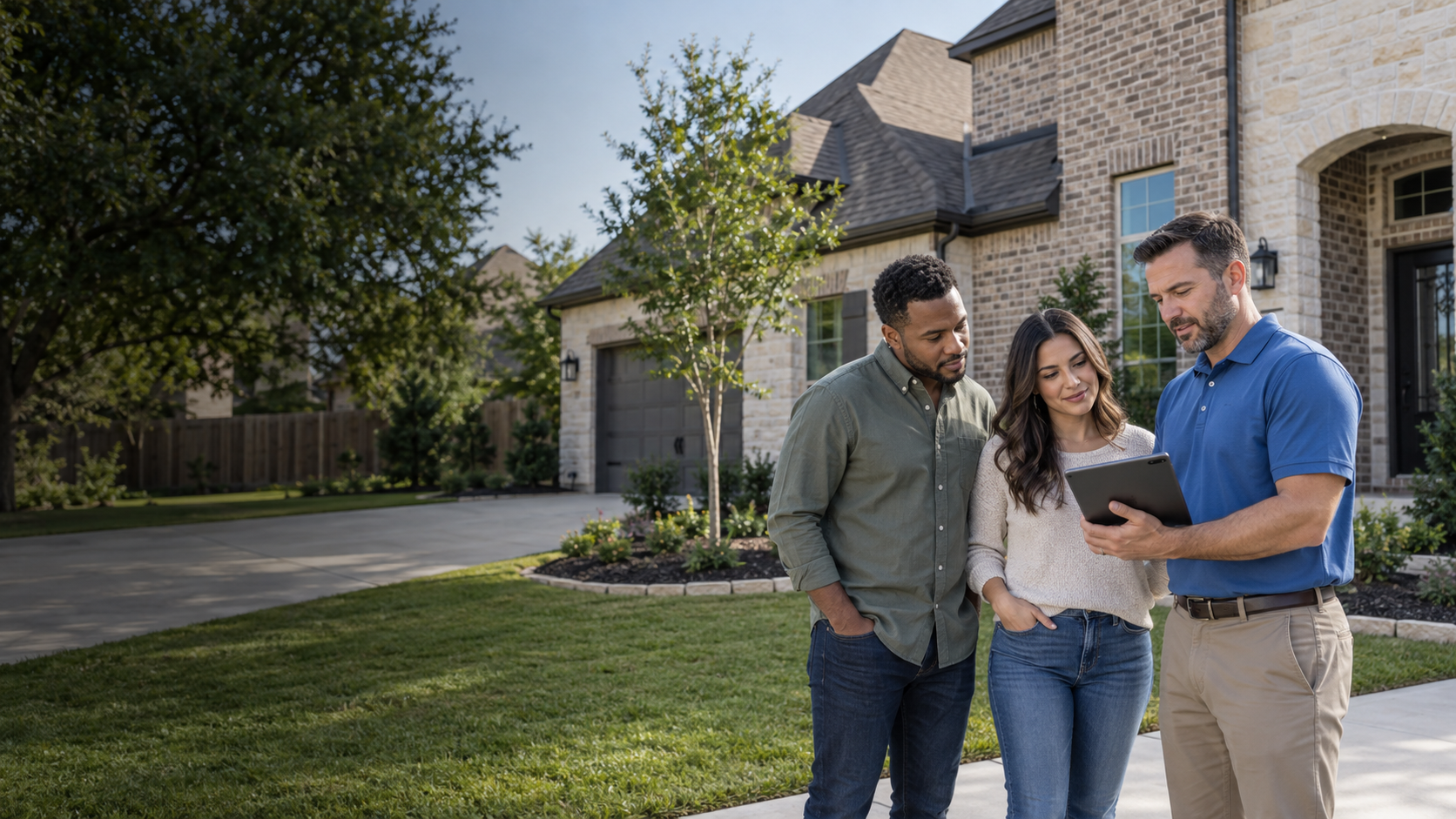
Yes, your new construction home still needs an inspection. Whether it is still a set of plans or already waiting for move-in, get clear information from a licensed home inspector who is working for you.
✓ TREC Licensed ✓ Same-Day Reports ✓ DFW and Houston
Start where your home is today
Which situation sounds like yours?
We will show you what inspection fits.
My home has not started being built yet
I want inspections from a third party throughout construction, before important work is permanently covered.
See phase inspection options ->
My new home is finished or almost finished
I need an independent inspection before closing and moving in, so that I know everything is ready to go.
See final inspection info ->
I already bought and moved into my new home
I want my new home inspected before the builder warranty ends, so that I can request covered repairs in time.
See warranty inspection info ->
The concern behind the excitement
You should not have to simply trust that everything was done right.
A new home may look perfect, while telling you very little about the foundation, framing, wiring, plumbing, HVAC, insulation, roof, or drainage. Many crews contribute to a single build, often on very tight schedules. Your independent inspection provides another set of trained eyes focused on you and the home you’re buying.
- You are not expected to understand every construction stage
- You do not need a real estate agent in order to hire your own inspector
- Missing one phase does not mean that you missed every opportunity
- Finding an issue now creates documentation before more time passes
The builder understands construction.
You deserve someone who is working only for you, who can help you understand your home.
What buyers are really worried about
The questions that arrive after the excitement
“What if the builder says I don’t need an inspection?”
The builder’s inspections and your independent inspection serve very different purposes. Your inspector works only for you, and documents accessible conditions, before you accept the home.
“What if the builder is offended that I want an inspection?”
Independent inspections are a normal part of buying new construction. Professional builders understand this, are confident in the work they have done, and should expect buyers to verify the condition of such a major purchase.
“What if my inspector finds something, and the builder disagrees?”
Your inspection report provides written and photographic documentation you can submit to the builder, and use when requesting corrections before closing or warranty expiration.
“What if important work gets covered up?”
Foundation components, framing, flashing, wiring, plumbing, and HVAC rough-ins become harder or impossible to see after the next building stage is complete. However, we can still inspect the rest of the build.
“What if it seems like the builder is just moving too fast?”
Schedules change. Buyers may receive little notice before concrete, insulation, drywall, walkthroughs, or closing is ready. This is why we offer extended hours and same-day reports.
“What if the house passed other inspections?”
Builder checks, municipal code inspections, and buyer inspections serve different purposes. Your inspector evaluates accessible conditions – for you.
“Will this delay my closing?”
Our extended scheduling hours help us work within tight builder timelines, and same-day reports give you the information quickly so repairs can be addressed without unnecessary delays.
“Won’t the builder warranty cover everything anyway?”
Builder warranties have limits, exclusions, and deadlines. An inspection helps identify and document issues while you still have time to request covered repairs, and ideally before they have even finished building.
“What if I don’t have a real estate agent?”
We always recommend buyers work with a real estate agent. However, even without an agent, you can schedule directly with us. We will help you identify the right inspection for your stage of construction and explain when it should take place.
Three starting points
Many buyers arrive at the builder when the home is already finished.
That’s not too late. A full inspection before closing is the most common new-home inspection that we perform. Buyers who start in the building process earlier can also have phase inspections performed throughout construction.
Three starting points
My new home is finished or almost finished
For inventory homes, spec homes, completed homes, and homes nearing closing.
The best time to document problems is before you close and move in.
Before closing, the builder’s construction team is still actively completing the home. After closing, repairs may move into the warranty process, where scheduling, coverage questions, and responsibility can become more complicated.
- The home looks beautiful, but finishes cannot show you how ever accessible system is operating.
- Your closing date, moving plans, or incentives may make the timeline feel untouchable.
- You want concerns documented before responsibility for the home becomes yours.
- You want to reduce repair appointments and warranty disputes after move-in.
You need a full inspection of the finished home’s accessible systems and components, ideally when utilities are on and everything can be operated Semper Fi calls this the final inspection, or Phase 3.
Save $25 on Phase 3 inspection when that’s all you need
Start before construction
I want inspections throughout building
For buyers early enough to inspect the phases before work covers the areas.
Three phase checkpoints during construction.
Before the concrete is poured: Inspect visible foundation preparation before it’s covered.
Before drywall is installed: Inspect accessible framing and major rough-ins before walls conceal them.
When the home is finished: Complete a full inspection before closing and move-in.
If your build has already passed one of these phase checkpoints, schedule the inspections that remain. Missing one does not erase the benefit of the others.
Full phases save $50 to $75 off total cost
Already bought and moved in
Get your home checked before your builder warranty deadline
Semper Fi typically recommends and performs this inspection around month 11, giving you time to submit applicable concerns before a common 12-month warranty expires.
Save $25 on pre-warranty expiration inspections
You do not need to be a previous Semper Fi client
We can inspect your new home even if another company completed the original inspection or you did not have one before closing.
A warranty is not a good way to find problems
An inspection can help identify and document visible concerns. Your specific warranty determines what is covered, excluded, and required.
Your actual deadline matters
Schedule early enough to receive the report and submit applicable concerns. Review your own builder warranty because dates and requirements vary.
Is your builder moving faster than expected?
This can be great for your timeline, but does not mean your construction can’t be inspected. Call with the home’s current stage and next deadline. Semper Fi can identify what can still be inspected, including a full inspection if the home is already finished.
Beyond the “blue tape”
A beautiful finish does not answer every question
Every build or remodel has that point where someone walks around sticking small pieces of blue tape on things that need addressed. Usually these are cosmetic.
Cosmetic details matter, but they are only one part of your home. An independent inspection looks at accessible structural and mechanical systems, operation, installation, safety concerns, and conditions that may deserve attention.
The different types of checks and inspections that your new construction home will experience also vary, but they are not a replacement for an independent home inspection performed by a licensed inspector.
| Process | Primary Purpose | What the buyer receives |
|---|---|---|
|
Builder quality checks |
The builder’s internal construction and completion process |
Varies by builder |
|
Municipal inspections |
Required checks by the city or county within the local permitting process |
Not a buyer-focused condition report |
|
Blue-tape walkthrough |
Orientation, visible completion items, and punch-list concerns |
A list heavily focused on visible and cosmetic items |
|
Independent home inspection |
An evaluation of the various systems of the home by an independent licensed home inspector |
A detailed report which Semper Fi emails to you the same day including photos, videos, and documented findings |
Quick inspection finder
What inspection can you still get?
Answer two questions. No form and no gated results.
Question 1 of 2
Where is your home in the construction process?
Question 2 of 2
What concerns you most right now?
What happens next
Clear help, even when the building timeline is unclear.
Step 1
Tell us the stage
Share the current status and your builder’s next deadline.
Step 2
Confirm access
Review your builder rules and arrange the inspection window.
Step 3
Get your inspection
A licensed inspector will evaluate accessible systems and conditions.
Step 4
Receive your report
Get a clear, same-day report for communicating needs with your builder.
Semper Fi’s New Construction Advantage™
Your builder works for the company. Your inspector works for you.
Semper Fi combines disciplined inspection standards with clear reporting and practical follow-through, so you are not left trying to interpret the home yourself.
- Licensed Texas home inspectors
- Care and detail instilled by Marine Corps background
- Inspections before concrete, before drywall, and when home is finished
- Full inspections for completed new homes
- Same-day reports
- Builder-friendly organization of findings
- Repair verification inspections available
- Reminders before 12-month warranty deadline
- ONe-stop add-ons for applicable property features
Questions Buyers of New Construction Ask
New Construction Inspection FAQs
Do I need a home inspection if the house is brand new?
Yes. New materials do not guarantee that every component is complete, properly installed, undamaged, or operating as intended. An independent inspection provides information about accessible conditions in your specific home.
Can I hire an inspector if I am buying directly from the builder without an agent?
Yes. Review your contract and ask the builder about access requirements, notice, and permitted inspection windows as early as possible.
What if the builder says the home already passed inspection?
Builder quality checks, municipal inspections, and independent buyer inspections have different purposes. A passing municipal inspection is not the same as a detailed condition report prepared for you.
What if construction has already pass an inspection checkpoint?
Schedule the remaining opportunities. If the walls are already closed, an inspection of the finished home can still evaluate accessible systems and components before closing.
When should I schedule an inspection of the finished home?
Schedule when the home is complete enough for systems to be operated, preferably before the final builder walkthrough or closing. Confirm utilities and access with the builder. Semper Fi may call this the final or Phase 3 inspection.
Will an inspection delay closing or cost me incentives?
An inspection does not automatically change closing or incentives, but your contract and builder deadlines control the transaction. Arrange it early and ask how findings fit into the schedule.
Does the builder warranty cover everything?
No universal answer applies. Coverage, exclusions, reporting duties, and deadlines depend on your specific warranty and your specific builder.
When should I have my home inspected before the builder warranty expires?
Many homeowners schedule around month 11, before a common one-year deadline. The inspection can document visible concerns that developed or became apparent after move-in. Check your own warranty for its exact coverage, notice requirements, and deadlines.
Learn before you close
New-construction resources for every stage
Protect your new-home purchase at the stage you’re in now.