


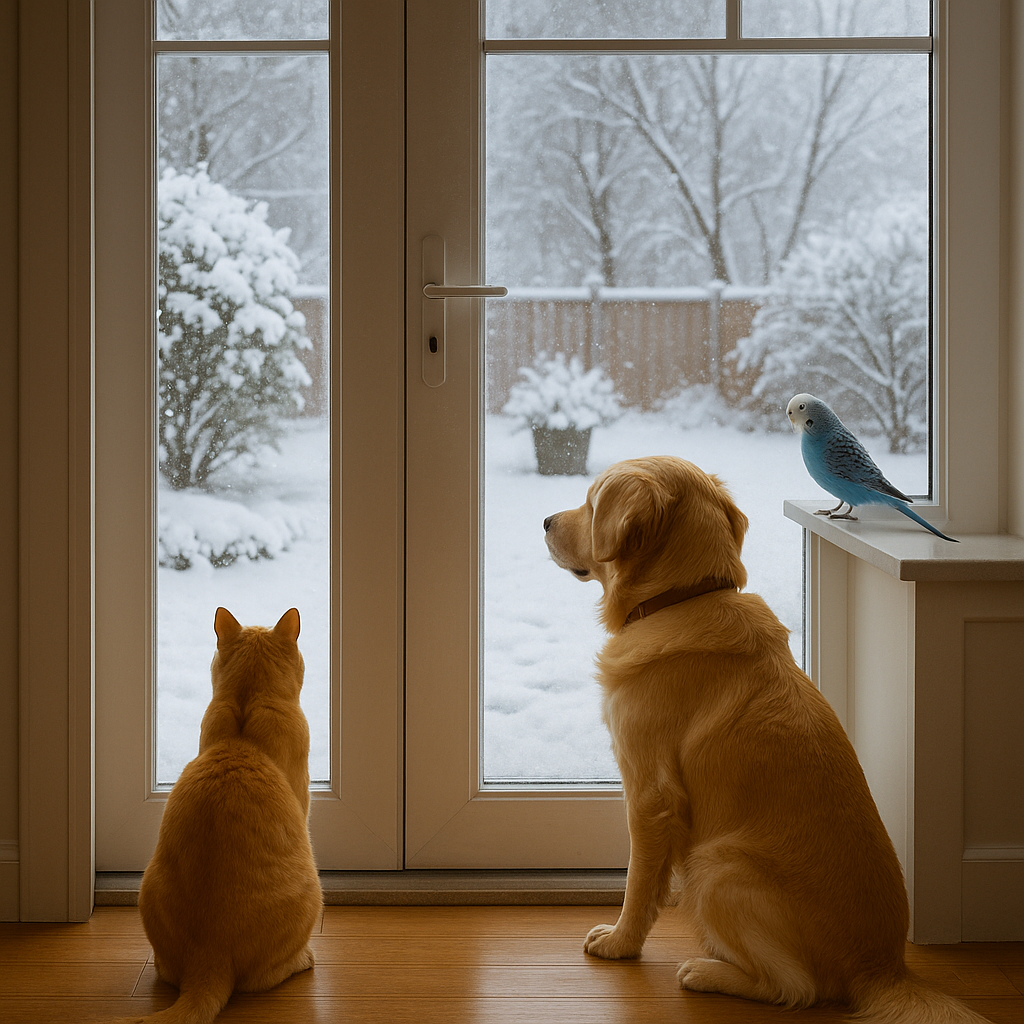
Freezing weather in Houston usually doesn’t last long, which is exactly why it causes problems when it does show up. Homes, plumbing systems, landscaping, and even pets across the Houston area are built for heat and humidity, not cold snaps.
When temperatures drop, the risk isn’t just discomfort for a night. It’s burst pipes, loss of water pressure, localized power outages, and moisture damage that often isn’t discovered until long after the freeze has passed. A little preparation in Houston goes a long way, especially because our systems are designed differently than those in colder parts of Texas.
Why freeze prep matters in the Houston area
Even brief freezes can trigger:
- Cracked or burst pipes in garages, exterior walls, and attics
- Water damage that appears only after temperatures rise
- Neighborhood-level power outages tied to ice or wind
- Plant loss and stress to animals not adapted to cold
Houston’s humidity makes these issues worse. When water leaks into walls or insulation, it dries slowly, increasing the risk of mold and long-term structural problems.
Power reality in Houston winters
Electricity in the Houston area is delivered by CenterPoint Energy. While Texas-wide generation may be available, freeze events can still cause outages due to ice, wind damage, or equipment failure at the neighborhood level.
You may never lose power, but planning as if you might is critical, especially if heat, medical equipment, aquariums, or temperature-sensitive pets depend on electricity.
A people, pets, and plants plan
People
- Plan safe heating options and avoid indoor use of fuel-burning devices.
- Store drinking water in case pipes freeze or water pressure drops.
- Have food that does not require electric cooking.
- Ensure phones and essential devices can be charged without wall power.
Pets, including non-traditional pets
- Dogs and cats need warmth and unfrozen water.
- Birds, reptiles, fish, and small mammals are extremely sensitive to temperature swings and power loss.
- Know which pets require stable heat and which may need relocation if power goes out.
- Keep carriers, bedding, medications, and supplies ready.
Plants
- Bring cold-sensitive plants indoors before temperatures drop.
- Avoid placing plants in garages unless you know they stay above freezing.
- Cover outdoor plants when appropriate.
- Shut down irrigation systems. Lines installed to protect landscaping can freeze just like household plumbing.
Houston plumbing guidance: dripping faucets explained properly
This is where Houston differs from much of Texas.
Much of the City of Houston and surrounding areas rely on pumping-based water systems, not gravity-fed water towers. During a freeze, if large numbers of households drip faucets at the same time, overall water pressure across the system can drop. Lower pressure can make freeze-related problems worse, not better.
Because of this, local guidance does not recommend dripping faucets as a blanket solution in Houston.
Instead, the preferred approach is:
- Disconnect and drain outdoor hoses and irrigation components.
- Insulate exposed pipes using foam sleeves, towels, or covers, especially in garages and exterior walls.
- Open cabinets under sinks located on exterior walls to allow warmer indoor air to circulate around pipes.
- Maintain indoor heat at a steady, safe level rather than shutting it off overnight.
If you will be away from home during freezing weather, a safer option can be to shut off the main water supply and drain the lines, reducing the risk of catastrophic leaks.
Important nuance:
Some suburbs and municipal utility districts use water tower systems. In those cases, a slow drip may still be advised locally. Knowing how your home’s water is supplied matters, and guidance can vary by municipality.
The house plan: preventing expensive damage
Before the freeze
- Insulate pipes in garages, attics, and exterior walls.
- Locate and test your main water shutoff.
- Seal gaps around doors, garages, and utility penetrations.
- Check attic insulation and ventilation.
- Test smoke and carbon monoxide detectors.
During the freeze
- Keep heat on at a consistent, safe temperature.
- Open cabinets where plumbing runs along exterior walls.
- Monitor water flow and pressure.
- Pay attention to unusual sounds in walls or ceilings.
After the thaw
This is where many Houston homeowners miss problems.
- Check under sinks, behind washing machines, near water heaters, and around attic access points.
- Look for damp drywall, bubbling paint, or musty odors.
- Inspect ceilings and exterior walls below bathrooms and kitchens.
Catching these signs early can prevent weeks of additional damage.
Why winter conditions matter for inspections
Cold weather can reveal insulation gaps, heating performance issues, and moisture intrusion that may not be obvious during warmer months.
For buyers, winter inspections can expose comfort and efficiency issues before closing.
For homeowners, a pre-freeze or post-freeze inspection can identify small issues before they turn into major repairs or insurance claims.
Homeowners in Houston, Katy, Cypress, Spring, Tomball, The Woodlands, Pearland, Sugar Land, Pasadena, Clear Lake, Kingwood, and surrounding communities all face the same challenge. Freezes are uncommon here, but the systems we rely on are less forgiving when they happen.
Preparation protects more than pipes. It protects the people, pets, plants, and the home itself.
For a professional home or commercial inspection in the Dallas/Fort Worth Metroplex or Greater Houston Metro Area that will provide you peace of mind, schedule your inspection now
Call
682-351-2267
or book online